
Cardamon
Cardamon
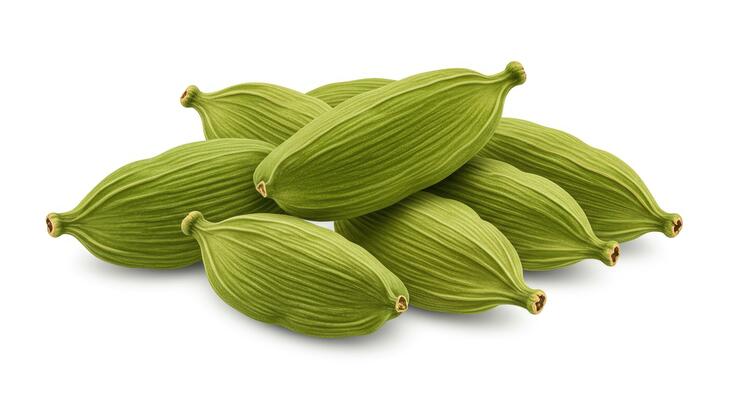
Cardamom (Elettaria cardamomum), often referred to as the “Queen of Spices,” is a highly prized aromatic spice known for its distinctive, warm, and slightly sweet flavor. It is used extensively in culinary traditions, perfumery, traditional medicine, and high-end food and beverage applications.
Cardamom is typically available in two main varieties: Green Cardamom (True/Cardamom) and Black Cardamom, each with unique flavor profiles and usage. Green cardamom is most commonly used in sweet dishes, flavored teas, spice blends (like garam masala), baking, and specialty beverages, while black cardamom has a bolder, smokier note more suited to savory and slow-cooked preparations.
The spice is harvested from the cardamom plant’s seed pods, which are handpicked and carefully dried to preserve their essential oils and aromatic properties. High-quality cardamom is distinguished by its pod size, color, aroma intensity, and seed content.
India and Guatemala are the world’s leading producers, with India’s Kerala and Karnataka regions known for high-grade green cardamom cultivated in the Western Ghats, while Guatemala remains a major exporter to global markets. Other notable producers include Sri Lanka, Tanzania, and parts of Southeast Asia.
Cardamom is in steady demand across the Middle East, Europe, North America, and South Asia, where it is consumed in large volumes in the form of whole pods, seeds, or powder. In the Gulf region, cardamom is especially valued in coffee blends and hospitality traditions, while in Western markets, its use in gourmet food, herbal products, and natural flavorings continues to grow.
Graded based on pod size (such as 5.5mm, 6mm, and above), color, and moisture content, cardamom is traded in bulk as well as premium packaging formats depending on end-use.
With its rich cultural heritage, high market value, and broad utility across food and wellness industries, cardamom remains one of the most important spices in international trade.