
Sugar
Sugar
Sugar is one of the most widely traded and consumed agricultural commodities in the world, serving as a fundamental ingredient in food and beverage production, household use, and industrial processing. Derived primarily from sugarcane and sugar beet, it plays a central role in global diets and food economies.
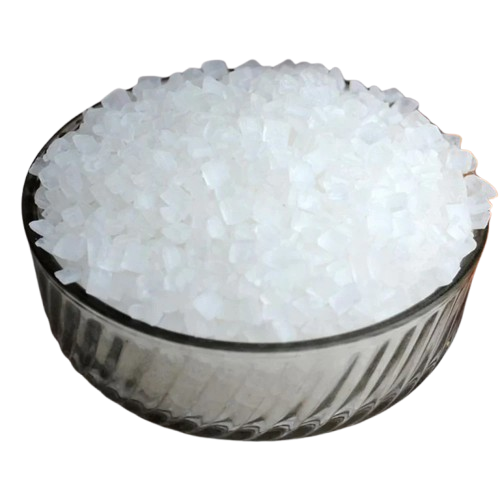
Commercially, sugar is available in various forms including white refined sugar, raw (VHP) sugar, and brown sugar, each suited to specific applications across baking, confectionery, beverages, dairy products, and processed foods. Refined sugar is known for its high purity and uniformity, making it the preferred choice for manufacturers and large-scale food processors.
The global sugar industry is dominated by major producers such as Brazil, India, Thailand, China, and Pakistan, with Brazil and India being the largest exporters and consumers respectively. Brazil is known for its large-scale production of both raw and refined sugar, while India—home to a vast domestic market—produces sugar primarily from sugarcane and has an extensive network of mills and cooperatives.
Consumption patterns vary globally, with high demand seen in regions such as Asia, the Middle East, Africa, Europe, and North America. Sugar is not only a food staple but also a key ingredient in non-food sectors like pharmaceuticals, ethanol production, and cosmetics.
Quality parameters such as ICUMSA rating, grain size, moisture content, and polarization are important indicators in international sugar trade. Bulk sugar is typically shipped in containerized or breakbulk formats, depending on the grade and end-use requirements.
As a versatile and high-demand commodity with deep roots in both traditional and modern food systems, sugar continues to hold a critical place in global agricultural trade.