
Rice
RICE
Rice (Oryza sativa) stands as one of the earliest domesticated staple crops in human history, with its origins dating back over five millennia. Even in the modern era, it remains a fundamental component of the daily diet for more than half of the world’s population. The Asian continent leads global rice cultivation, contributing nearly 90% of the total global supply.
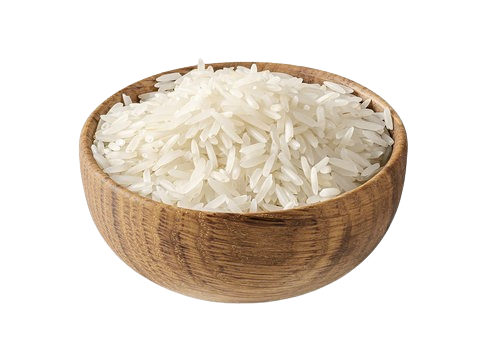
There are thousands of rice varieties grown worldwide, though most are classified into two main types depending on the milling process: brown rice, which preserves the nutrient-rich bran and germ layers, and white rice, where these outer layers are removed to enhance texture and extend storage life. From the fragrant, slender basmati to the plump, sticky grains of japonica, and from deep-hued black and red rice to gleaming white varieties, rice displays remarkable diversity in both form and flavor.
Conventional cultivation methods typically involve planting seedlings in waterlogged fields—commonly known as paddy farming. While this approach demands significant water and labor, it naturally limits weed growth and helps control pests. Due to its proven success, this traditional technique continues to be widely employed, particularly in regions with established irrigation systems. Rice’s flexibility allows it to grow in varied landscapes, including hilly terrains where water management can be carefully maintained through terracing.
Although predominantly grown as an annual crop, rice can behave perennially under tropical conditions, producing successive ratoon harvests over multiple years. Its resilience and adaptability have enabled it to thrive across continents, extending far beyond its original centers of domestication in Asia and Africa. Over generations, global trade and advancements in agriculture have cemented rice’s place as both a nutritional essential and a cultural symbol across countless communities worldwide.