
Wheat
Wheat
Wheat (Triticum spp.) is one of the world’s most widely cultivated cereal crops and a dietary mainstay for billions of people. With origins traced back to the Fertile Crescent over 10,000 years ago, wheat has played a pivotal role in the development of agriculture and human civilization. Today, it remains a critical source of calories, nutrients, and economic activity across the globe.
Wheat is primarily grown in temperate regions and thrives in both irrigated and rain-fed conditions. Its adaptability to a range of climates and soils has made it one of the most versatile and globally traded food grains. Major producers include countries across North America, Europe, Asia, and Australia, with vast volumes moving through international supply chains each year.
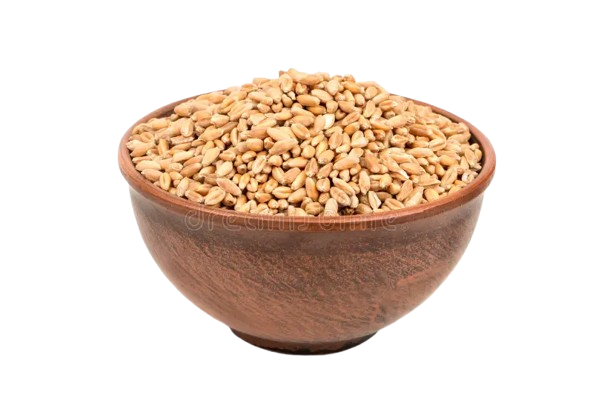
There are two main types of wheat—hard wheat and soft wheat—each with distinct properties suited for different end uses. Hard wheat, high in protein and gluten strength, is typically used in bread-making, while soft wheat, with a lower protein content, is ideal for pastries, cakes, and biscuits. Durum wheat, another notable variety, is valued for pasta production due to its firm texture and golden hue.
Wheat grains are processed into a wide range of products such as flour, semolina, bran, and germ—each contributing to a spectrum of food applications. Nutritionally, wheat is a rich source of carbohydrates and provides essential dietary fiber, B vitamins, and minerals when consumed in whole or minimally processed forms.
From ancient flatbreads to modern-day staples, wheat continues to be a foundation of diets and food security worldwide. Its enduring significance and broad utility make it a key commodity in the global agricultural trade landscape.